4 Perfect Queer Romance Graphic Novels
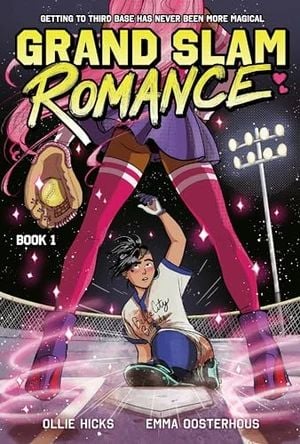
Queer romance graphic novels have grown into one of the most welcoming corners of comics. Readers who want a central love story, characters who feel real, and a satisfying ending can find all three in this format. For anyone who follows novel-vault collections, graphic novels offer a fast and visual way to explore romance, especially when the story is told through both art and dialogue. This guide explains what to look for, how to shortlist titles, and how to choose a book you will actually finish.
What makes a romance graphic novel work
Romance in graphic novels depends on more than the plot. The art carries emotion through facial expressions, body language, and small background details. A character who looks away during a conversation, or a panel that lingers on a quiet moment, can say as much as a long paragraph. When you read, pay attention to how the artist handles tension and closeness, because those choices shape how much you will care about the couple.
Many of the strongest titles in this space share a clear structure. The two leads have a reason to be drawn together, the obstacles between them are believable, and the story reaches a resolution that feels earned. Some books are complete in one volume, which makes them ideal for a single weekend. Others run across several volumes, and they can offer more room for slow development and side characters. Neither format is better by default. The right choice depends on how much time you have and how much you enjoy waiting for each new installment.
Why representation matters to readers
For many readers, seeing queer characters at the center of a love story is meaningful in its own way. Romance stories often follow a familiar shape, but when the characters share identities and experiences that match a reader’s own, the emotional payoff can feel especially personal. Representation also means variety. Queer romance includes lighthearted comedies, quiet slice-of-life stories, historical settings, fantasy worlds, and stories about people building lives together after difficult pasts.
Good representation focuses on characters as full people. Their identities matter, but they are not the only thing about them. A strong story lets the characters have jobs, friends, hobbies, and flaws, so that the romance grows out of who they are rather than out of a single label. When you evaluate a title, ask whether the characters feel specific and whether the story treats their relationship with care.
How to shortlist titles
Start with the mood you want. Some readers look for a sweet, comforting story to end a long week. Others want something emotionally heavy that leaves them thinking. Decide which of these you need right now, then narrow your list to two or three titles that match.
Next, read the first few pages of each candidate if the preview is available. Notice whether the art style suits you, whether the pacing feels comfortable, and whether the characters’ voices sound natural. A book that looks wonderful in a list may not match your taste once you read it, so a short sample is a practical test.
Finally, check how the book is described. Honest descriptions usually explain the premise and the type of romance without spoiling the ending. Be cautious with lists that only repeat the same generic praise. Look for reviews that describe the story’s tone, its content, and any warnings you might want to know about before you begin.
Using reading lists wisely
Curated lists are helpful because they save time. They also come with a point of view. Each list reflects the taste and priorities of the people who wrote it, so it is worth reading a few different lists before you decide. When several sources recommend the same title for different reasons, that overlap is a good sign.
Pay attention to how a list is organized. Some lists sort titles by genre, some by format, and some by reader mood. A list organized around mood can be especially useful when you already know what kind of evening you are planning. Use the list as a starting point, then apply your own filter.
A simple plan for finishing what you start
Many readers begin several books and finish none. A small plan helps prevent that. Choose one main title and one backup. Commit to reading the first thirty pages or the first chapter. If the story still does not hold your attention, switch to the backup without guilt. Reading should feel relaxing, not like an obligation.
It also helps to keep a short reading log. Write the title, the date you started, and one sentence about how the book made you feel. Over time, the log reveals patterns. You may notice that you prefer slow-burn romances, or that you enjoy stories with strong supporting casts. That knowledge makes future choices faster and more satisfying.
Mixing formats for a richer experience
Graphic novels pair well with other forms of storytelling. Some readers enjoy reading a comic and then watching a related film or series. Others follow a creator’s interviews to learn how the artist planned a scene. Discussing a book with a friend, or joining a community where people share favorite panels, can also make the experience more memorable.
If you prefer digital reading, check whether the format includes color, panel guidance, or reading direction options. These details affect comfort, especially for longer volumes. Print editions are often better for detailed artwork, while digital editions can be convenient when you want to read on the go.
Keeping your reading practical
The best reading choice is the one you will enjoy from start to finish. Avoid choosing a book only because it appears on a popular list. Instead, match the story to your current interests, your schedule, and the kind of emotional experience you want. A gentle romance may be perfect on Sunday morning, while a tense, dramatic story might suit a longer evening.
It is also reasonable to skip a book that does not fit you. Reading broadly is valuable, but reading only what you love is valuable too. There are many good stories in this genre, and no single title defines it.
Final thoughts
Queer romance graphic novels offer a rich mix of art, emotion, and story in a format that is easy to pick up and hard to put down. By focusing on mood, checking previews, comparing reading lists, and keeping a simple plan, you can find titles that match your taste and finish them with real satisfaction. For more reading guides and recommendations, you can also browse the resources at paliamo. Happy reading, and enjoy the stories that make you feel seen.