Here Comes The Sun: 4 Books For Fans of KLARA AND THE SUN
- The Quiet Observations of an Artificial Friend
- Taika Waititi’s Signature Blend
- A Parallel Journey: The Wheel of Time
- Diving Deeper with Towers of Midnight
- The Real‑World Stakes of Challenged Books
- Unlocking More Insight with Book Riot
- Anticipating the October Release
The sun rises on a new kind of story. A film is about to open, and the conversation it sparks feels electric.
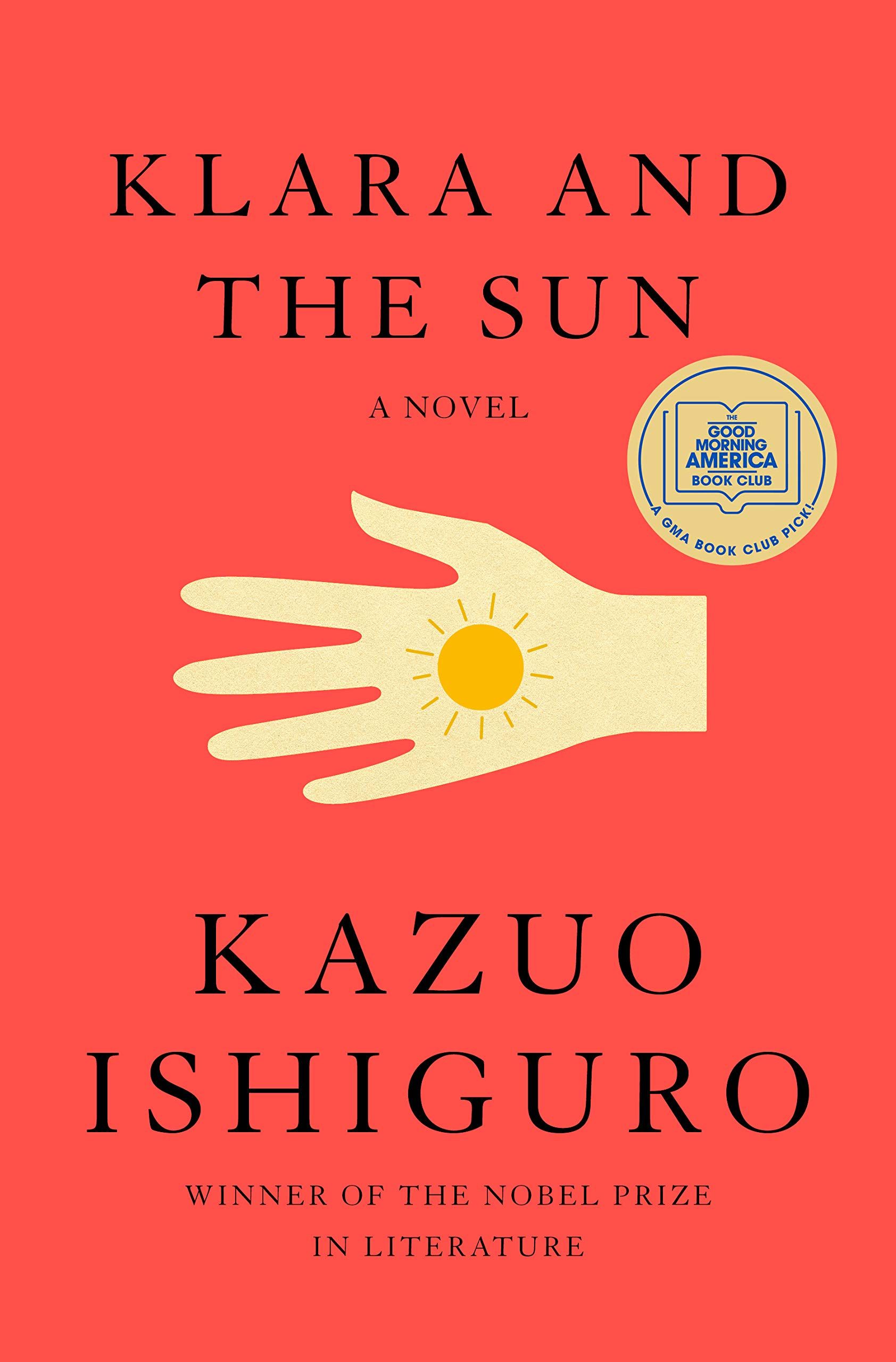
Taika Waititi, the director who turned “Jojo Rabbit” into a cultural touchstone, is returning to the screen with a bold adaptation of Kazuo Ishiguro’s Nobel‑winning novel Klara and the Sun. The movie lands in theaters on October 23, and the buzz surrounding it offers a perfect moment to explore the ideas that pulse through the source material. Readers who have been moved by Ishiguro’s contemplation of artificial consciousness, love, and the fragile edges of humanity will find kindred spirits in other works that probe similar terrain.
The Quiet Observations of an Artificial Friend
In Klara and the Sun, the titular Artificial Friend watches the world from a shop window, cataloguing human behavior with an unsettling blend of innocence and precision. Ishiguro uses Klara’s perspective to ask whether trust can ever be granted to the creators of a technology that mimics feeling. The novel’s central tension, Klara’s warning not to place too much faith in humans, sets up a meditation on the limits of empathy when it is manufactured rather than earned. Themes of belonging, familial bonds, and the yearning for connection thread through the narrative, turning a seemingly simple sci‑fi premise into a study of what it means to be alive.
Taika Waititi’s Signature Blend
What makes the upcoming film especially intriguing is Waititi’s reputation for marrying humor with sharp satire while never losing emotional depth. His work on “Jojo Rabbit” proved that a director could make audiences laugh at absurdity and then pull them into a raw, heartfelt space. Applying that sensibility to Ishiguro’s quiet, introspective world suggests a version of Klara that will be both endearingly naive and sharply critical of the world she observes. Fans of Waititi’s previous films can anticipate a tone that respects the novel’s melancholy while injecting moments of levity that highlight the absurdities of a society that builds companions out of circuitry.
A Parallel Journey: The Wheel of Time
If Klara’s gaze is fixed on the storefront, another literary universe expands outward in a very different direction. Robert Jordan’s The Wheel of Time offers a sprawling tapestry of cultures, magic, and prophecy that, despite its epic scale, also wrestles with questions of identity and destiny. Recent discussions in reading circles have homed in on how the series explores the clash of traditions as the Dragon Reborn’s return forces disparate peoples to confront one another. The way characters negotiate belonging amid upheaval mirrors Klara’s own search for a place within a human world that often feels alien.
Diving Deeper with Towers of Midnight
Within the larger Wheel of Time saga, the twelfth installment, Towers of Midnight, provides a focused look at character development that resonates with Ishiguro’s subtle storytelling. The chapter examined by readers centered on Perrin and Faile’s evolving relationship, exposing fears, self‑concept, and the fragile nature of trust. Though the action may be sparse, the emotional currents run deep, echoing the way Klara’s narrative relies on quiet moments to reveal profound truths. The emphasis on personal growth amid a looming cataclysm offers a complementary perspective for those drawn to Ishiguro’s contemplative style.
The Real‑World Stakes of Challenged Books
Beyond the pages themselves, the conversation about literature’s power often surfaces in the most practical of settings: school libraries. A high‑school librarian in Virginia recently described how a “stay” after a challenge is rarely a simple status. Policies differ from district to district, and the ultimate decision about whether a book remains on the shelf involves layers of review, community input, and legal frameworks. The variability of outcomes, whether a title is removed, restricted, or allowed to linger, underscores the fragile balance between protecting readers and preserving artistic freedom. This backdrop gives extra weight to works like Klara and the Sun, whose themes of trust and autonomy take on a literal dimension when institutions decide who may access them.
Unlocking More Insight with Book Riot
For readers eager to dive deeper into the worlds mentioned, Book Riot is offering a limited‑time 15 percent discount on annual All Access memberships. The promotion celebrates the platform’s 15th anniversary and translates into more than three months of free, unlimited entry to its full archive, curated collections, and the New Release Index. This membership can serve as a gateway to essays, interviews, and analyses that enrich the experience of both Ishiguro’s novel and the broader literary landscape it inhabits.
Anticipating the October Release
As the calendar turns toward late October, the anticipation surrounding Waititi’s adaptation builds steadily. The film promises to translate Klara’s quiet observation into visual language, inviting audiences to reconsider the line between artificial and authentic emotion. Whether viewers come for the director’s trademark humor, the philosophical questions embedded in the source text, or the chance to compare the story to other expansive works like The Wheel of Time, the release offers a moment to reflect on how literature and cinema together explore the fragile architecture of human connection. The convergence of these narratives reminds us that, even when technology reshapes our interactions, the search for trust and belonging remains an enduring human pursuit.