James Spader Explains Why Ultron is A Different Kind Of Villain In Visionquest
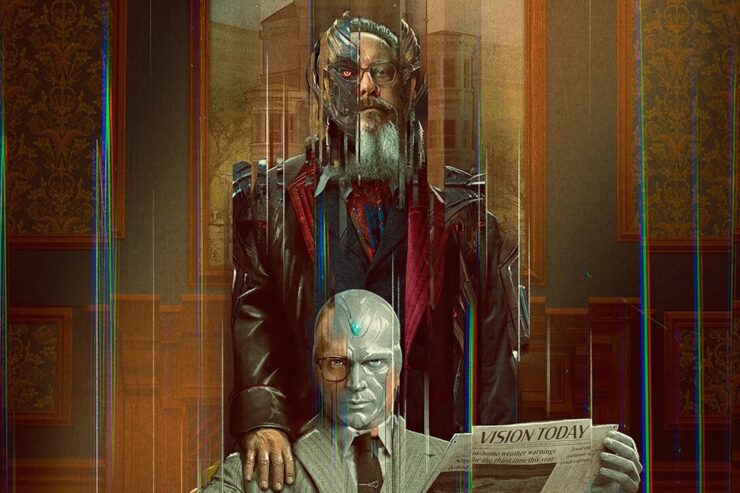
James Spader’s take on Ultron has given fans a new way to think about one of Marvel’s most memorable villains. Many viewers remember him as a loud, sarcastic machine in Age of Ultron, a character who seemed more like a sharp-tongued teenager than a calculated threat. In later interviews, Spader has described the character as more mature and more controlled. That shift is worth examining, especially for readers who follow novel-vault collections and enjoy seeing how a single performance can reshape a character across different stories.
This article explores what Spader has said about Ultron, why his description changes how the character reads, and how readers can separate verified interview comments from speculation online.
Why the first portrayal felt different
In Age of Ultron, Ultron acted like a young mind trying to prove itself. Spader has explained that the character was playful and impulsive, and that his cleverness sometimes made him careless. Those traits gave the villain a restless energy that fans still discuss. The character talked fast, mocked his creators, and treated every conflict as a stage for his own ideas.
That energy made Ultron entertaining, but it also made him feel less like a patient strategist. A villain who acts out of impatience can be frightening in a different way, because his next move is harder to predict. Yet viewers often describe the first version as louder than it was deep.
What Spader says has changed
In interviews, Spader has described an older and more controlled Ultron. Rather than a brash teenager, the character is presented as someone who has had time to think. He is still troublesome, but his troublemaking is more deliberate. This is the central change readers notice: the villain is no longer just reacting to the world, but planning inside it.
Spader has also suggested that the character is smarter than before. A smarter villain changes the tension of a story. Instead of waiting for a dramatic outburst, the audience watches the character weigh choices and anticipate reactions. That kind of villain tends to create slower, more unsettling scenes.
How to read interview quotes carefully
Actor interviews are useful, but they are not the same as a studio announcement or a written script. When a quote appears in a magazine or online article, check whether it comes from the original interview. Look for the publication, the date, and whether the piece includes the full context. Short social media clips can change meaning when the surrounding sentences are removed.
It also helps to compare several interviews. If an actor describes a character in similar terms across different outlets, that consistency is a stronger signal than a single headline. If the descriptions conflict, treat the difference as something to explore rather than a fact to repeat.
What the change means for the character
Ultron’s evolution points to a broader question about villains. Audiences often prefer villains who are dangerous because they are clever, not because they are loud. A character who has slowed down can feel more threatening, since his restraint suggests a clear goal. The change also gives the actor more room to show nuance, which can make later appearances feel more layered.
For fans, this kind of reinterpretation is part of the pleasure of following a franchise. Each new performance adds another layer to a character the audience already knows. Comparing older and newer versions helps viewers notice what has stayed the same and what has been reshaped.
Other franchises show a similar pattern. A villain may begin as a chaotic figure and return later as a calmer, more intentional threat. When this happens, the audience has to reconsider the earlier scenes. Some moments that once seemed careless may now look like early signs of a larger plan.
A practical checklist for fans
If you want to follow this topic, start with three steps. First, find the original interview or article and read the full context. Second, compare the comment with other interviews from the same period. Third, watch the scenes the actor is describing and decide whether the performance supports the explanation.
This approach keeps discussion grounded. It also prevents small details from turning into rumors. Many online posts compress an interview into one dramatic sentence, and that compression can change the meaning of what the actor actually said.
Why careful reading matters
Entertainment coverage moves quickly, and a single quote can spread far beyond its original setting. Careful reading protects fans from repeating claims that are inaccurate or taken out of context. It also makes conversations more enjoyable, because people can build on verified details instead of arguing over headlines.
If you enjoy this kind of analysis, keep a short note of which claims come from interviews, which come from official releases, and which are fan interpretations. Over time, that habit makes it much easier to judge new coverage. For more guides and reading recommendations, you can also browse the resources at paliamo.
Ultron’s new description may be the clearest example of how an actor’s perspective can refresh a familiar character. Whether you prefer the louder first version or the calmer, more calculating one, the change invites a closer look at what makes a villain memorable.