One Hundred Years Of Cattitude: Salem And Sabrina The Teenage Witch
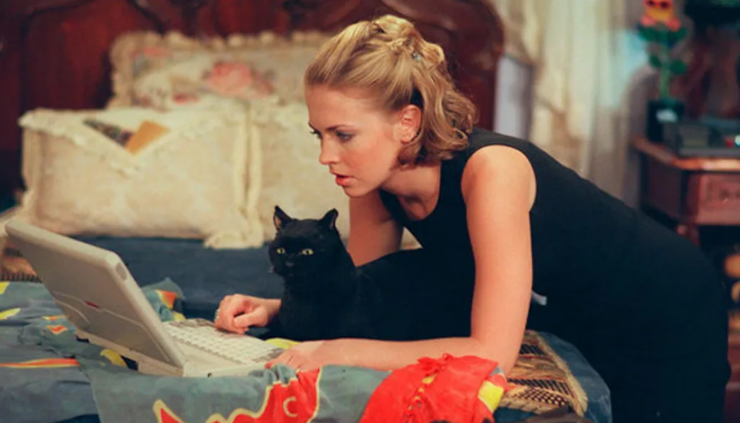
The story getting our attention: One Hundred Years Of Cattitude: Salem And Sabrina The Teenage Witch. This novel-vault feature looks at how a famous witch’s cat grew from a comic book pet into a screen favorite, and why book lovers keep returning to stories like it. In the SFF Bestiary column, Salem is described as part house pet, part cursed warlock.
What changes next
One underrated detail about What changes next: most of the value shows up when the change is combined with something teams already run. Standalone trials look impressive in demos; integration is where the compounding starts. Plan for both.
Practical framing: treat One Hundred Years Of Cattitude: Salem And Sabrina The Teenage Witch as a working change to evaluate on your own data, one small checkpoint this week rather than one big rewrite. For a novel-vault reader that checkpoint can be as simple as rereading one favorite chapter and noting what still works.
What this section comes down to: pick the change that costs the least, measure it, keep or drop it.
The part worth remembering
A skeptic’s read of The part worth remembering is still useful. Not every announcement survives contact with reality. The reliable test: wait for a second independent source, check adoption numbers, and see whether pricing or access changed after launch.
The honest caveat: early coverage of One Hundred Years Of Cattitude: Salem And Sabrina The Teenage Witch tends to overpromise. What survives real usage is usually the boring, verifiable part: checks, measurements, and steady iteration.
The practical takeaway: treat this as a nudge to review your own setup, not a reason to rebuild everything.
Why it matters now
Look closer at Why it matters now and a clearer picture emerges. The change is less about hype and more about workflow: what teams do daily, what tools they reach for, and how success gets measured. Teams that adjust early tend to keep their advantage.
One more layer: adoption is decided by trust and total cost, not by announcement day. For One Hundred Years Of Cattitude: Salem And Sabrina The Teenage Witch, the follow-up matters more than the launch note. The same is true in any novel-vault collection: a story earns its place by how well it holds up on the second read, not by how loudly it was announced.
Bottom line for this section: stay informed, adjust what is cheap to adjust, and skip the rest.
Putting it to work
Decide one thing you will do differently after reading about Hundred Years Cattitude. Write it down, set a reminder, and evaluate in seven days. Progress in this area compounds through small decisions repeated, not big announcements made once.
The part that rarely gets discussed
Headlines rarely explain how a change touches daily work. Workflows need adjusting. Habits need rebuilding. Expectations need correcting. We close that gap from field experience, including the mistakes we made ourselves and how we fixed them.
The takeaway
Take one idea from One Hundred Years Of Cattitude: Salem And Sabrina The Teenage Witch, test it on your own setup, and measure it this week. The rest of the coverage will keep moving; the useful part is what you verify yourself. For the novel-vault audience, the useful part is simply which story you pick up next.
What the reporting actually says
The column traces Sabrina from the comics to television, where the best known version of the story ran from 1996 to 2003 with Melissa Joan Hart in the lead role and a cat as her companion, because a witch rarely goes without one. The writer points out a clear difference between the two versions of Salem. In the comics he is a ginger tabby who never speaks. On the television series he is a black cat who plays a part in every episode and always shares his opinion in fluent human speech, which the columnist sums up as a whole mood.
That contrast is useful for any novel-vault reader. A character can start as a quiet detail on the page and become the personality of an entire adaptation, and the way a story changes between formats says a lot about what each audience wants. A silent pet suits a comic panel, while a talking cat carries a sitcom.
The same Book Riot page also leans into the season. One writer says that working at a book company makes the to-be-read pile grow without limit, and that daily reading about new releases keeps adding to it. As spooky season continues, the writer plans to pick up several horror titles by BIPOC authors, including The Sleeping Sisters by Jennifer Givhan, a Mexican American and Indigenous novelist and poet whose earlier horror books include Salt Bones, River Women, and River Demon. A few stories on the list promise a headless woman legend, gothic revenge on a Scottish isle, and carnivorous plants.
Together these items give a novel-vault reader an easy plan: pick one familiar character to revisit, add one new horror read to the pile, and compare how each format tells its story.