Other Mommy Possesses The Imagination But Not The Daring
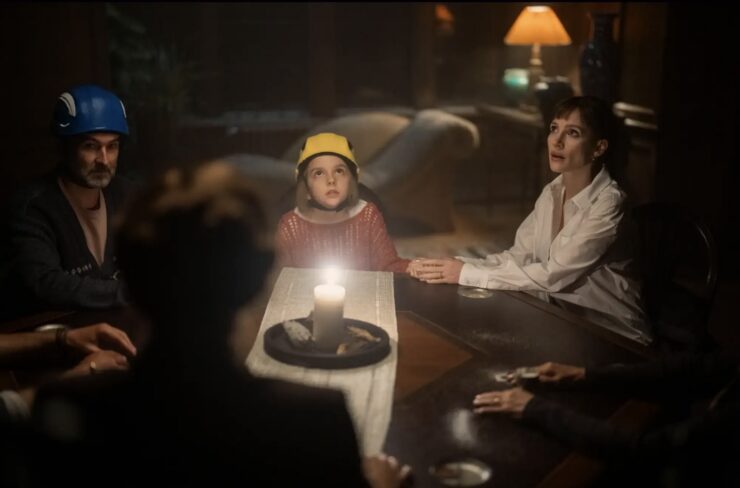
Horror films that look striking but feel thin are a familiar frustration for genre fans. Other Mommy has drawn attention for exactly this reason. Reviewers have described it as a stylish horror movie with plenty of atmosphere, yet one that does not always go as far as its premise promises. For readers who follow novel-vault collections and enjoy comparing stories across formats, this film is a useful case study in how visual craft and emotional depth do not always arrive together.
This article explains what the film seems to offer, where it may fall short, and how to decide whether it is worth your time. It also offers practical steps for watching the film with the right expectations, and for reading reviews without being swayed by a single quote.
What the film seems to offer
Other Mommy is built around a familiar horror setup: a family situation that feels safe on the surface but grows unsettling as details accumulate. Critics have praised its visual choices, including framing, color, and the way quiet scenes build unease. Those choices give the film a polished look that stands out in a crowded genre.
Stylish horror often works by creating a mood before it reveals anything. When a film gets this part right, viewers feel tension in ordinary moments, such as a pause in conversation or a detail that seems slightly wrong. That kind of atmosphere can be more memorable than a jump scare, because it stays with the viewer after the screen goes dark. A film that trusts its audience to notice small things often rewards careful attention more than one that explains everything directly.
Sound design and pacing also play a role. A long silence before a line of dialogue, or a soft background hum that never quite stops, can make a viewer lean forward without knowing why. When these elements support the images, the film feels cohesive. When they compete with each other, the effect can feel scattered, and that is one of the first things a careful viewer notices.
Where the film may fall short
Style alone does not guarantee a strong story. Some reviewers feel that Other Mommy holds back when it could push its ideas further. A horror film with a clear premise can still lose momentum if it avoids the uncomfortable choices that give the premise its weight. Viewers who want a bold, challenging experience may find the film safer than they expected.
Character motivation is another area to watch. When a character’s choices feel driven by the plot rather than by their own logic, the tension can start to feel mechanical. Ask yourself whether the people on screen behave in ways that make sense to you, and whether their fears feel earned. If the answer is mostly yes, the film’s restraint may read as confidence. If the answer is mostly no, the restraint may read as hesitation.
This does not make the film a failure. It simply means expectations matter. If you go in expecting a visually confident horror film with a measured approach, you may enjoy it more than someone expecting a relentless, transgressive story.
How to decide whether to watch
Start with your tolerance for slow-burn horror. If you enjoy films that build tension gradually, the pacing may suit you. If you prefer constant scares or fast cuts, you may want to check other titles first. There is no wrong answer here, only a matter of what you want from the evening.
Next, read two or three reviews from different outlets. Look for consistent points rather than a single strong opinion. When reviewers agree that the visuals are strong but the story is uneven, that pattern tells you what to expect. When they disagree sharply, the difference often reveals what kind of viewer each critic is, and that information can help you decide whether their taste matches yours.
Finally, watch the trailer or a short clip to judge the tone. The trailer will not reveal the full story, but it can show whether the look and sound of the film match what you enjoy. If the trailer makes you curious rather than uneasy, that is often a good sign that the film will hold your attention.
Why horror style matters to readers
Horror is a genre where style and substance often compete. A film can look beautiful and still leave viewers with questions about character motivation or theme. Readers who enjoy analysis may find it rewarding to ask what a film is trying to say, and whether its images support that message. Asking these questions makes it easier to judge a film fairly, even when it is not perfect.
Style also shapes how audiences talk about a film afterward. A memorable frame or a striking color palette can become the thing people remember and share, sometimes more than the plot itself. That is part of why visually focused horror attracts attention, and why critics often debate whether the look is enough on its own.
How to read reviews carefully
Film reviews can be enthusiastic, cautious, or harsh, and each tone tells you something different. Pay attention to whether a reviewer explains their reasoning. A review that describes specific scenes, performances, and choices is usually more helpful than one that only gives a score. Also note whether the reviewer shares your taste in horror. A critic who loves intense, bloody films may judge a restrained film differently from someone who values atmosphere.
Be careful with quotes that circulate without context. A single sentence from a review can sound harsher or kinder than the full paragraph. Open the original review when you can, and read the surrounding lines before forming an opinion. Checking the publication date also matters, since early reactions sometimes change after a film has been seen by a wider audience.
Making the most of a horror watch
Watching with the lights low and minimal distractions helps atmospheric films work as intended. Turn off notifications, use the best sound setup you have, and avoid checking your phone during quiet scenes. These small steps keep attention on the details that the film depends on.
If you watch with others, agree beforehand on whether you will pause for questions or talk afterward. Some viewers enjoy discussing the ending and the choices behind the visuals, which can make a quiet film feel more engaging. Others prefer to sit in silence until the credits, and that is a reasonable choice too.
After the film ends, write down two things you liked and one thing you wanted more of. This short note helps you remember why you responded to the film and makes future horror choices easier. Over several films, these notes reveal patterns in what you value, whether that is atmosphere, character, or a strong ending.
Final thoughts
Other Mommy shows how a horror film can look confident while leaving some ideas underdeveloped. Whether that trade-off is worth it depends on what you want from the genre. By checking the tone, reading careful reviews, and setting realistic expectations, you can decide whether the film suits your evening. For more reading and viewing guides, you can also browse the resources at paliamo.