Simmer Down: 5 Agonizingly Slow Burn Romances
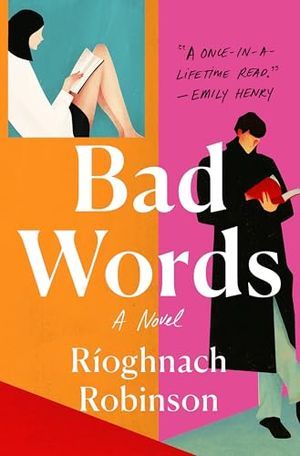
Slow burn romance is one of the most satisfying tropes in fiction. Instead of rushing two characters into each other’s arms, the story lets attraction build through glances, arguments, small kindnesses, and moments of honesty that arrive later than the reader wants. For readers who follow novel-vault collections and enjoy stories that reward patience, this guide explains what makes slow burn work, how to recognize it, and how to choose a book that will keep you turning pages.
Why slow burn feels so rewarding
A slow burn romance asks the reader to wait, and that waiting is part of the pleasure. Each small step forward feels earned because the characters have to overcome doubt, pride, fear, or past hurt before they can admit what they feel. When the moment finally arrives, it carries more weight than a sudden confession ever could.
Many readers say they fall in love with fictional characters through this slow growth. When a story spends time on how a character thinks, hesitates, and reconsiders, the reader begins to understand their inner life. That closeness makes the romance feel personal rather than decorative.
Common features of slow burn stories
Several ingredients appear often in slow burn fiction. The first is a strong initial tension, such as rivalry, a professional disagreement, or a misunderstanding. The characters start out irritated by each other, or at least unsure, and that friction becomes the foundation for attraction.
The second is repeated proximity. Shared projects, forced cooperation, or a small community where paths keep crossing give the characters many chances to notice one another. Each encounter adds a layer, even when nothing dramatic happens.
The third is restraint. The characters may want to act on their feelings but choose not to, because the timing is wrong, the stakes are high, or they are afraid of being hurt. That restraint can frustrate readers, but when it is handled well, it makes the eventual payoff more satisfying.
Stories that build tension through conflict
Some slow burn novels use rivalry as their engine. A pair who begin as opponents may challenge each other’s work, judgment, or reputation. Their sharp exchanges reveal how much they respect each other, and the reader can sense the attraction long before the characters admit it.
Reading these books can be fun because the dialogue often carries subtext. A cutting remark may hide admiration, and a polite question may reveal genuine curiosity. Paying attention to these layers adds to the enjoyment.
Stories built on gradual trust
Other slow burn books focus less on rivalry and more on trust. Two people may have been hurt before, or they may be dealing with grief, career pressure, or family expectations. Their relationship grows as they learn to rely on each other, one honest conversation at a time.
These stories often reward readers who enjoy emotional detail. Small gestures, such as remembering a favorite drink or staying late to help with a problem, can say more than a grand declaration. The romance feels grounded because it is built from ordinary moments.
How to choose a slow burn book
Start by deciding how much waiting you enjoy. Some readers love long stretches of tension, while others prefer a story that moves a little faster toward the payoff. Check the book’s description for clues about the pace, and look for reviews that mention whether the romance develops gradually.
Next, read a sample if one is available. Pay attention to whether the characters’ dialogue feels natural and whether the tension seems intentional rather than frustrating. If the voice draws you in, the slow pace will feel like a feature.
Finally, consider the setting and the characters’ roles. A workplace romance, a small-town story, or a rivalry between competing professionals each creates a different rhythm. Choose the one that matches the mood you want.
Avoiding frustration while you read
Slow burn can test a reader’s patience, especially when characters seem stubborn. A few habits can make the experience more enjoyable. Keep a short note of the moments that made you smile or lean forward, so you remember why the wait is worth it. If a particular stretch feels too slow, set the book aside and return with fresh attention.
It also helps to recognize the difference between a slow build and a stalled story. A slow build still moves the characters closer together, even in small ways. A stalled story repeats the same conflict without changing anything. If you notice that pattern, it may be a sign that the book is not right for you.
Using lists to find more titles
Curated lists are a good way to discover slow burn romances. Many lists group books by intensity, setting, or emotional tone, which makes it easier to find stories that suit your current mood. When several lists recommend the same title, that overlap suggests the book has a strong reputation among readers.
Keep track of the lists that consistently match your taste. Over time, you will learn which sources tend to recommend books you enjoy, and you can return to them when you want something new.
Sharing slow burn recommendations
Slow burn romances are often even more enjoyable when discussed with others. Friends may notice a scene you missed or interpret a character’s choice differently, and those conversations can deepen your appreciation. Online reading communities are another good place to share favorite moments without spoiling the ending for anyone.
If you recommend a book to someone, describe the tone and pace rather than only the plot. A friend who loves gradual tension will appreciate that detail, while someone who prefers faster romances can skip the title without disappointment.
Final thoughts
Slow burn romance rewards readers who value emotional depth, small moments, and the slow build of trust or desire. By understanding what makes the trope work, choosing books with care, and paying attention to how the tension develops, you can find stories that linger long after the final page. Whether you prefer sharp rivalry or quiet devotion, the right slow burn novel will make the wait feel like part of the joy. For more reading guides and recommendations, you can also browse the resources at paliamo.