The 2026 Kirkus Prize Winners Have Been Announced
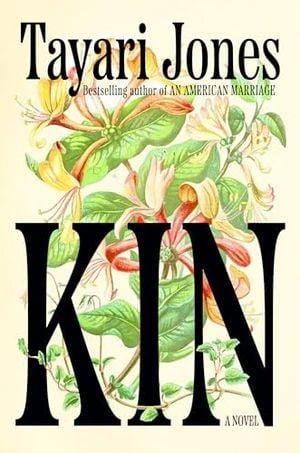
The Kirkus Prize is one of the best-known literary awards in the world, and its 2026 winners have drawn attention from readers, booksellers, and librarians alike. With a prize of $50,000 for each winning author, the award highlights books that combine strong craft with real emotional and social weight. For readers who follow novel-vault collections and want to understand why certain titles rise above the crowd, this guide explains how the award is chosen, what the winners represent, and how to use an awards announcement as a practical reading tool.
How the Kirkus Prize is chosen
The selection process begins with books reviewed by Kirkus Reviews. Only a small share of those reviews earn the publication’s star, which marks a book as exceptional. Kirkus reviews thousands of titles each year, so the starred group is already a selective pool before any prize discussion begins.
From the starred books, a shortlist of finalists is determined, and then the final winners are chosen. This layered approach means that every winner has passed several rounds of close reading. It also means that the award reflects a consistent standard across different categories rather than a single editor’s taste.
Why the winners matter to readers
Prize announcements do more than celebrate authors. They give readers a curated starting point, especially when the list covers several categories at once. A fiction winner, a young readers’ winner, and a nonfiction winner together show how far a single award can reach across the literary landscape.
Awards also reveal what jurors value in a given year. Some years emphasize historical perspective, others focus on family, justice, or language. Reading the winners side by side can show you patterns in what the literary world is paying attention to right now.
Fiction and the power of voice
Fiction winners are often recognized for voice, structure, and the ability to make a particular community feel vivid. A novel that draws on the rhythms of a specific place or culture can offer readers a sense of intimacy that general storytelling sometimes lacks. When jurors praise a book for its language, they are usually pointing to choices that shape every scene, from dialogue to description.
If you are choosing a fiction winner, start with the opening chapter. Notice whether the narrator’s voice holds your attention, and whether the story’s concerns feel urgent. A powerful prize-winning novel should reward patient reading, but it should also make its purpose clear early on.
Books that examine justice
Some winners tackle the workings of the justice system, asking how decisions are made and who bears the consequences. These books often combine careful reporting with narrative pull, so they read almost like thrillers while still examining real institutions. Readers interested in social issues will find these titles especially rewarding.
Reading these books works best when you pair the story with independent background. A good nonfiction or journalistic work can deepen your understanding of the system described in a novel, and it can also help you judge how accurately a story portrays real events.
Young readers and the value of honest storytelling
Young readers’ winners show that books for younger audiences can handle serious emotions with care. Strong children’s and teen literature often gives young readers space to feel grief, anger, or confusion, while still offering hope and connection. A well-written book in this category can be just as moving for adults who return to it later.
Parents, teachers, and librarians can use these winners as a guide to age-appropriate choices. Reading the book first, or reading it alongside a child, helps you judge how it will land and what conversations it might start.
Reading the awards list strategically
An awards list is a useful filter, but it should not be your only filter. Start by choosing one winner that fits your current mood, then look for one title in a genre you rarely read. This balance keeps your reading varied without asking you to commit to something unfamiliar all at once.
It also helps to check whether your library has the winners available. Many libraries add prize-winning books quickly, and borrowing a copy lets you test the story before buying it.
Using reviews without losing your own voice
Reviews and jury comments are helpful, but they are only one perspective. Read a few different reviews and compare what they emphasize. One reviewer may focus on the prose, while another highlights the plot or the characters. Those differences can tell you which aspects of a book matter most to you.
When you finish a winner, write down what you valued most, whether that was the setting, the characters, the structure, or the themes. This record becomes a personal guide to the kinds of books you enjoy, and it makes future award lists easier to navigate.
Keeping a reading record
A reading record helps you learn from every book. Note the title, the date you finished it, and one or two sentences about why it stayed with you. Over time, you will see which awards, jurors, or publishers tend to recommend books that suit your taste.
The record also helps you notice when a prize-winning book does not connect with you. That is not a failure. Literary awards reflect judgments about craft and significance, and personal taste will always play a part in the reading experience.
Final thoughts
The 2026 Kirkus Prize winners offer a strong starting point for readers who want serious, well-crafted fiction and nonfiction. By understanding how the selection process works, reading with attention to voice and theme, and comparing reviews, you can use the award as a practical guide rather than a final verdict. Whether you choose a novel about family, a story about justice, or a book for young readers, the best choice is the one that keeps you thinking after the last page. For more reading guides and recommendations, you can also browse the resources at paliamo.