The Fourth Wing Series Has Found Its Violet And Xaden
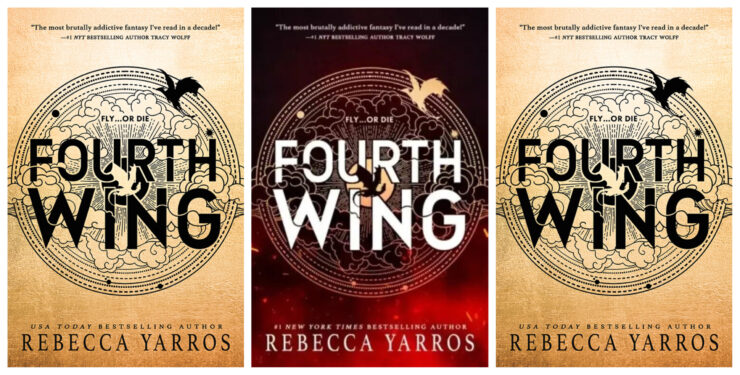
Fans of Rebecca Yarros’s Fourth Wing series have spent a long time waiting for news about its screen adaptation. Recent casting reports have finally given them a clearer picture of the two lead roles. Violet Sorrengail and Xaden Riorson sit at the center of the story, and the performers who bring them to life will shape how readers and new viewers experience the series. For readers who follow novel-vault collections and enjoy comparing a book with its adaptation, this is a good moment to separate what has been reported from what is still unknown.
This article explains the reported casting, why these two roles carry so much weight, and how to follow adaptation news without getting pulled into rumors. It also offers a simple way to prepare for the series if you are coming to it for the first time or returning to the novels.
What the reports say
According to Variety, Esther McGregor will play Violet Sorrengail, the scribe-in-training who becomes a dragon rider. Other reports indicate that Emilio Sakraya will play Xaden Riorson, another dragon rider whose family has a history with Violet’s mother, a general who leads Basgiath War College, where dragon riders train. Because these two roles form the emotional core of the story, casting them is a major step for any production.
The streaming platform’s synopsis for the show is brief. It says that Violet is forced by her mother to enter the brutal world of Basgiath War College. That short description gives the basic setup, but it leaves out much of the tension, rivalry, and character history that fans know from the novels. A synopsis like this is usually written to introduce a premise, not to explain every relationship, so readers should not expect it to answer every question.
Why the lead roles matter
In the books, Violet’s relationship with her mother and her place among the other candidates drive much of the early plot. Her mother’s expectations shape her choices, and her struggle to survive the training grounds makes every challenge feel personal. Xaden adds another layer. His family’s history with Violet’s mother creates suspicion and conflict from the start, so the connection between the two characters is built on both attraction and distrust.
That combination is hard to get right on screen. Actors need to show determination without losing vulnerability, and they need to make tense scenes feel believable even when the dialogue is sharp. Chemistry matters too, but so does the ability to show what the characters are hiding. When casting works, viewers understand the emotional stakes before the plot explains them. When it does not, the story can feel like a list of events rather than a relationship that grows over time.
What adaptations usually change
Adaptations often change details to fit the format of television. Scenes may be reordered, secondary characters may be combined or introduced earlier, and some internal thoughts from the novel must be shown through action and expression. Readers who love the books may notice differences in pacing or in how much time is given to training sequences, classmates, and the wider world of the college.
Knowing this in advance can make the adaptation easier to enjoy. Instead of checking every scene against the novel, you can ask what the adaptation is trying to achieve and whether it succeeds on its own terms. A show can be a faithful version of a story and still be its own interpretation, and both approaches can be satisfying when they are done with care.
How to follow adaptation news carefully
Casting news often spreads quickly, and early reports sometimes repeat one another without adding anything new. When you see a claim about an actor or a role, check where it came from. A trade publication, the streaming platform, and the author’s official channels are generally more reliable than a short post that quotes an unnamed source. If a report appears only on social media, wait for confirmation before you accept it.
It also helps to compare several outlets. If multiple reliable publications describe the same casting choice, the information is more likely to be accurate. If the details differ, such as a character’s role, an actor’s name, or the year of release, write down the difference and look for a clearer source. Treating an unconfirmed detail as unconfirmed is a simple habit, but it prevents a lot of confusion later.
What to watch for next
Fans can track the adaptation by watching for a few milestones. Official announcements from the platform usually come first, followed by release windows, first-look images, and trailers. Each milestone adds a little more detail, and it becomes easier to judge the adaptation once those pieces are in place. Until then, most of what you read will be interpretation, so it is worth keeping your expectations flexible.
Cast interviews can also be useful, especially when actors describe how they prepared for their roles. Still, interviews reflect personal perspectives, so treat them as one input among several rather than the final word on how a character will look on screen.
Preparing by revisiting the book
Revisiting the first novel before the series arrives is one of the best ways to prepare. Rereading the opening chapters can refresh the early setup, the rules of Basgiath War College, and the relationships that will matter most later. You may also notice details you missed the first time, such as small comments from secondary characters that later become important.
If you have not read the book yet, you can use the same approach. Start with the first few chapters, pay attention to how Violet and Xaden talk to each other, and note which questions the story leaves open. Those questions are often the ones an adaptation will try to answer, so they make a useful checklist when the show finally premieres.
Keeping expectations balanced
Adaptations can be exciting and disappointing in equal measure. Some fans want every scene from the book on screen, while others are happy with a faithful spirit and a few new choices. A balanced view is to hope for strong performances and a clear sense of who these characters are, while accepting that the screen version will carry its own tone and decisions.
Writing your own notes can help with this. Keep a short list of what you loved in the book, what you hope to see on screen, and which questions remain open. That list makes it easier to discuss the series with friends and to notice when a new report adds something meaningful rather than simply repeating older information.
Why careful reading matters
Entertainment news moves fast, and a single casting detail can spread far beyond its original source. Careful reading protects fans from repeating claims that are inaccurate or taken out of context. It also makes conversations more enjoyable, because people can build on confirmed information instead of arguing over headlines.
For more guides on books, series, and adaptations, you can browse the resources at paliamo.
Casting is only one step in a long production process, but it gives fans a concrete reason to look forward to what comes next. By following reliable sources, comparing details, rereading the story, and keeping expectations realistic, you can enjoy the wait and be ready for the series when it arrives.