The Scariest Teachers In Children's Literature
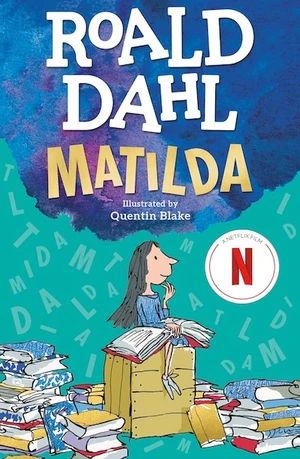
The Scariest Teachers In Children’s Literature made waves, and the follow-up is what counts. This novel-vault feature looks at why frightening teachers are a staple of children’s books. The reporting puts it plainly: they are everywhere in the genre, and it is not hard to guess why.
Why it matters now
Many teachers handle their work with kindness, fairness, and compassion for the children in their care. Still, almost everyone remembers one terrifying teacher who seemed to dislike kids and did not hide it. Stories about school tap into that memory, which is why a scary teacher is such a reliable character. Many classic children’s books were also written by authors who grew up in the age of corporal punishment, with Roald Dahl being a famous example, so it is easy to see why so many stories feature frightening teachers whose only purpose is to make childhood harder.
Reading between the lines: outside of parents and guardians, teachers are the biggest authority figures in young children’s lives. They control the whole school day, and alongside teaching they handle discipline, hand out punishments, and often stop kids from doing what they really want to do. That makes them natural villains for a young reader’s imagination.
Bottom line for this section: stay informed, adjust what is cheap to adjust, and skip the rest.
The detail hiding in plain sight
Look closer at The detail hiding in plain sight and a clearer picture emerges. The change is less about hype and more about workflow: what teams do daily, what tools they reach for, and how success gets measured. Teams that adjust early tend to keep their advantage.
Worth a second read: the signal here is direction, not the headline number. If the pattern holds for The Scariest Teachers In Children’s Literature, expect the measurable side to show up within weeks, and the quieter cost side to compound at scale.
For a novel-vault reader, the detail hiding in plain sight is that the scary teacher is rarely just a villain; the character shows how a child sees power.
The honest note here: small adjustments compound, dramatic overhauls usually stall.
Where the real story lives
The real story lives in the contrast between the teacher and the child. A frightening teacher gives a young hero something concrete to stand up to, and the school setting gives the story a ready-made world of rules, rewards, and fear. Readers who remember their own classrooms recognize the type at once, and the exaggeration adds humor and relief. A terrifying teacher in a book is safe to fear, because the book can always be closed.
Reading between the lines: because many authors of classic children’s books remember strict and sometimes harsh schools, the scary teacher often carries a little real feeling behind the comedy. For a novel-vault collection, these characters are worth rereading as adults, when it becomes easier to see what the author was reacting to.
What this section comes down to: pick the change that costs the least, measure it, keep or drop it.
Putting it to work
Decide one thing you will do differently after reading about Scariest Teachers Children. Write it down, set a reminder, and evaluate in seven days. Progress in this area compounds through small decisions repeated, not big announcements made once.
The honest caveats
Nothing here is magic. Results depend on scale, discipline, and how messy your current setup is. Treat every claim, including ours, as a starting hypothesis to verify on your own data.
Bottom line
The Scariest Teachers In Children’s Literature is part of a longer shift, not a passing story. Start small, stay consistent, keep it measurable. For the novel-vault audience, it is a reminder that the characters we feared as children still have something to teach us. Check back weekly for practical updates, and skip the hype.
What the reporting actually says
The coverage begins with a simple observation: outside of parents and guardians, teachers are the biggest authority figures in a young child’s life, so a story about a scary one almost writes itself. They control the entire school day, and part of their job is discipline and punishment, which can feel unfair when you are small.
The same roundup also points readers toward a different shelf. It lists five books that are either true mysteries or stories with a strong mystery element. The mix includes modern mysteries, one of them involving witches, and historical Gothics set in London, Paris, and Edinburgh.
For a novel-vault reader these two threads fit together nicely. Children’s books about frightening teachers and adult mysteries both rely on the same ingredients: an authority figure who may not be trustworthy, a closed setting, and a question that keeps you turning pages. A simple plan works well. Reread one classic with a terrifying teacher, pick one mystery from the list, and compare how each builds suspense.
If you want to turn this into a reading habit, keep it small. Choose one title from each shelf, read the opening chapters, and note which character stayed with you longer. Over a few weeks that record shows what you actually enjoy, which is more useful than any ranking, and it keeps your novel-vault list shaped by your own taste.